
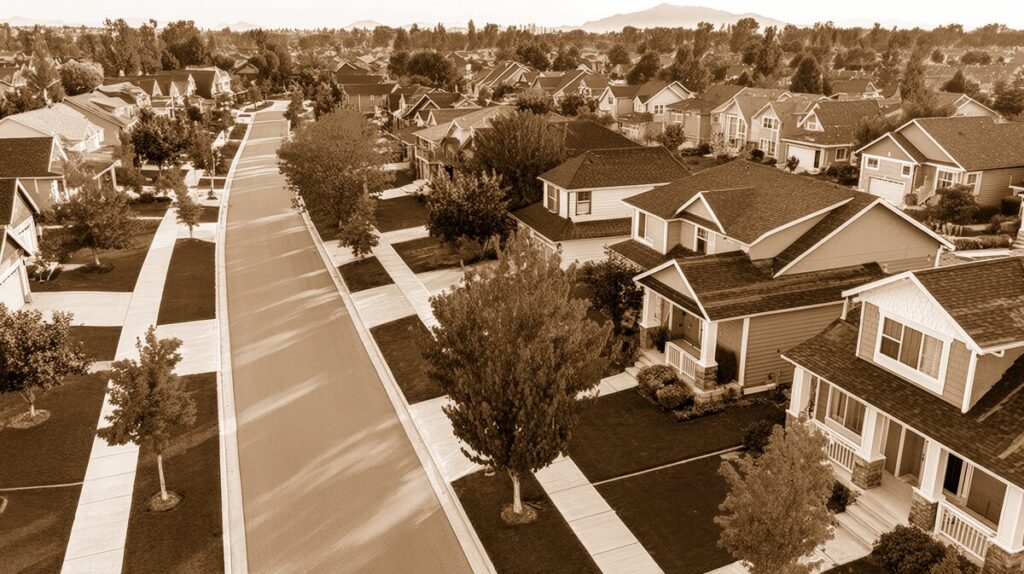
Nestled just south of the historic heart of Havre de Grace, the Bulle Rock neighborhood stands as a symbol of community tradition seamlessly blended with modern elegance. Though many today know Bulle Rock for its scenic homes and world-class golf course, its story stretches back centuries, rooted in Maryland’s racing legacy and enriched by the growth of Havre de Grace itself. Let’s step back in time to discover what makes Bulle Rock such a uniquely cherished corner of our city.
The Origin of the Name: A Racing Legend
To understand Bulle Rock, you must first know the horse for which it is named. In the early 18th century, Bulle Rock was the first thoroughbred horse brought from England to the American colonies. Foaled in 1718 and imported by Samuel Gist in 1730, Bulle Rock became the progenitor of countless American racehorses, laying the foundation for horse breeding across Maryland and the nation.
The spirit of this legendary horse—strength, endurance, and a pioneering drive—echoes throughout the neighborhood that now bears his name. When Havre de Grace began constructing a new master-planned community at the turn of the 21st century, developers and city leaders found it fitting to honor such a foundational figure in Maryland’s sporting history.
Beginnings: A Vision Realized
Until the late 1990s, the land that would become Bulle Rock was largely agricultural, dotted with rolling fields and framed by forest buffers. As Havre de Grace’s charm drew more residents and the city looked to expand thoughtfully, the idea for a premier mixed-use neighborhood emerged.
The official groundbreaking for the Bulle Rock community took place in 2001. The plan was ambitious: develop a series of neighborhoods framed by natural beauty and centered around a nationally recognized golf course. Roads like Bulle Rock Parkway and Chapel Road would become the main arteries, winding through clusters of elegant single-family homes, villas, and townhouses.
Key Milestones in Bulle Rock’s Growth
Over the decades, Bulle Rock has marked several key milestones:
- 2001 – Bulle Rock Golf Course opens, quickly gaining recognition as one of America’s top public courses. Designed by renowned architect Pete Dye, the course elevated the reputation of Bulle Rock and Havre de Grace on the national stage.
- 2003-2008 – Construction ramps up, with neighborhoods developing along Bulle Rock Parkway, Palmer Court, and Augusta Drive, setting a new standard for resort-style living.
- 2005-2009 – Bulle Rock hosts the LPGA Championship, drawing international attention and welcoming thousands of visitors to the community.
- 2010s – Community amenities expand, including the Residents’ Club on 1200 Bulle Rock Parkway, which features indoor and outdoor pools, tennis courts, fitness space, walking trails, and a full calendar of social clubs and activities.
Notable Landmarks & Community Highlights
Despite its reputation as a modern, master-planned neighborhood, Bulle Rock honors the traditions and landscape that preceded it. Here are just a few of the landmarks and features that give Bulle Rock its distinctive character:
- Bulle Rock Golf Course – Ranked consistently among the best public courses in the country, its rolling greens and striking vistas pay homage to the area’s natural contours.
- Residents’ Club – The social heart of the community, this 37,000-square-foot amenity center offers gathering spaces for everything from holiday parties to yoga classes.
- Walking Trails & Parks – The community is laced with paths connecting neighbors to woods, ponds, and scenic overlooks, including parks along Palmer Court and the wooded buffers near Chapel Road.
- Legacy Landscaping – Mature trees and careful planning preserved much of the original natural beauty and incorporate native Maryland plantings, ensuring every season brings a fresh perspective to the neighborhood.
Evolution Through the Years
Bulle Rock’s story is also one of continuous evolution. Once solely farmland on the southern edge of town, the area’s transformation into a vibrant, close-knit neighborhood didn’t happen overnight. But as each new street—like Blenheim Farm Lane and Royal Troon Drive—was laid, more families, retirees, and newcomers were drawn to the welcoming blend of tranquility and convenience.
Today, Bulle Rock is home to a dynamic and diverse population. From early morning dog walkers along Palmer Green to lively gatherings at the Residents’ Club, the neighborhood offers a sense of belonging often missing from newer developments. Seasonal events like the community holiday lighting, summer barbecues in the park, and charity golf tournaments have become beloved traditions.
Embracing the Future, Honoring the Past
Perhaps what makes Bulle Rock truly special is its commitment to honoring the rich historical fabric of Havre de Grace while setting a standard for the future. Residents take pride in the fact that the neighborhood’s very name references a foundational chapter in Maryland’s history. Local schools, such as Havre de Grace Elementary and Middle School, draw families further into the city’s educational and civic community, while businesses just outside the neighborhood—on Otsego Street and Revolution Street—connect Bulle Rock to the broader Havre de Grace area.
Looking ahead, Bulle Rock’s evolution is expected to continue in a way that balances thoughtful growth with preservation. The neighborhood’s network of garden clubs, volunteer organizations, and local history tours ensure that future generations—whether longtime locals or newly arrived residents—always know the remarkable journey that shaped Bulle Rock.
Why Bulle Rock Remains Special
Ask any resident and you’ll hear why Bulle Rock stands apart:
- The panoramic sunsets over the golf course fairways.
- The friendly waves from neighbors during evening strolls on Bulle Rock Parkway.
- The comfort of knowing the heritage of the land on which their homes now stand.
Bulle Rock entwines the best of old and new. It’s a place where stories are written every day, but always with a deep sense of respect for the history that came before. For those fortunate enough to call it home, Bulle Rock is more than a neighborhood—it’s a living piece of Havre de Grace’s enduring legacy.